
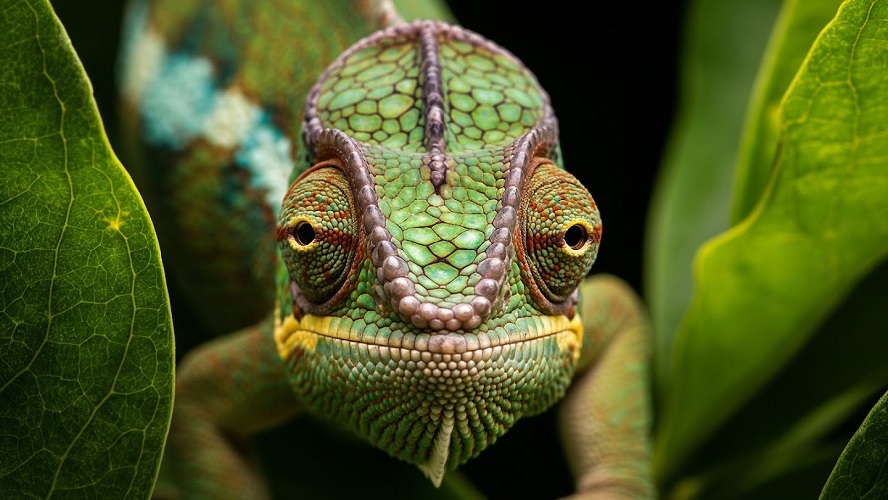
The rise of digital content has transformed how people understand nature. However, Fake wildlife images are now creating serious challenges for conservation efforts worldwide. These highly realistic visuals, often generated using artificial intelligence, spread quickly across social media. As a result, they influence public perception in ways that can harm wildlife protection.
Experts warn that misinformation about animals can lead to fear, confusion, and even hostility toward certain species. Therefore, the growing trend of fake wildlife content is becoming a major concern for conservationists and researchers.
Fake Wildlife Images and Their Impact on Public Perception
The spread of Fake wildlife images is changing how people view animals in the wild. Many viral posts show exaggerated or impossible scenarios, such as animals attacking vehicles or behaving in unnatural ways.
Because of this, audiences begin to believe that wildlife is more dangerous than it actually is. In reality, most animals avoid human contact. However, fake visuals create a false narrative of constant threat.
Moreover, these images distort the understanding of natural behavior. They make rare or impossible events appear normal.
As a result, people may develop unnecessary fear and negative attitudes toward wildlife.
Fake Wildlife Images Fuel Fear and Panic
One of the biggest dangers of Fake wildlife images is the fear they create. When people see animals attacking humans in viral videos, they often assume these incidents are common.
Therefore, communities living near wildlife may react with panic. In some cases, this fear leads to harmful actions against animals.
Additionally, fake content spreads faster than verified information. Because of this, misinformation often reaches a wider audience before it can be corrected.
Experts explain that such content can “provoke fear, panic and hostility toward wild animals.”
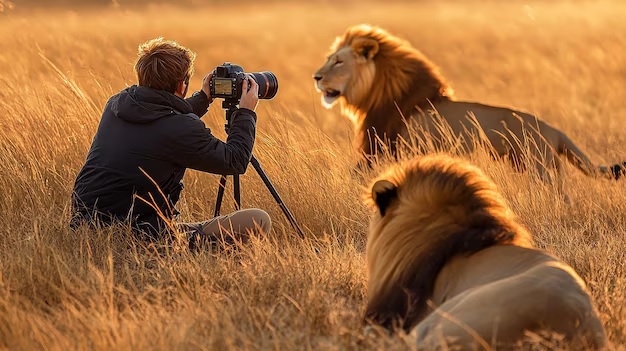
Fake Wildlife Images and Conservation Challenges
The impact of Fake wildlife images goes beyond public perception. It directly affects conservation work on the ground.
1. Wasted Resources
Authorities often investigate viral wildlife incidents. However, many of these reports turn out to be false. As a result, time and resources are wasted on fake cases.
2. Reduced Public Trust
When people cannot distinguish between real and fake content, trust in conservation messaging declines. Consequently, it becomes harder for experts to communicate accurate information.
3. Increased Wildlife Conflict
False reports of animal attacks may lead to retaliation against wildlife. Therefore, innocent animals may suffer due to misinformation.
How Fake Wildlife Images Distort Animal Behavior
Understanding animal behavior is essential for conservation. However, Fake wildlife images create unrealistic expectations.
For example, some videos show predators acting aggressively without reason. Others depict animals behaving like domesticated pets.
Because of this, people misunderstand how animals behave in real environments. Experts note that such content can “distort public understanding of animal behavior.”
In turn, this confusion affects how people interact with wildlife.
The Role of AI in Fake Wildlife Images
Artificial intelligence plays a key role in the rise of Fake wildlife images. Advanced tools can now create highly detailed visuals that look real.
While AI has positive uses in conservation, it also creates risks. For instance, fake images of animals in incorrect locations can mislead viewers.
One example includes images showing species in places where they do not exist. This creates confusion about biodiversity and ecosystems.
Therefore, AI must be used responsibly to avoid spreading misinformation.
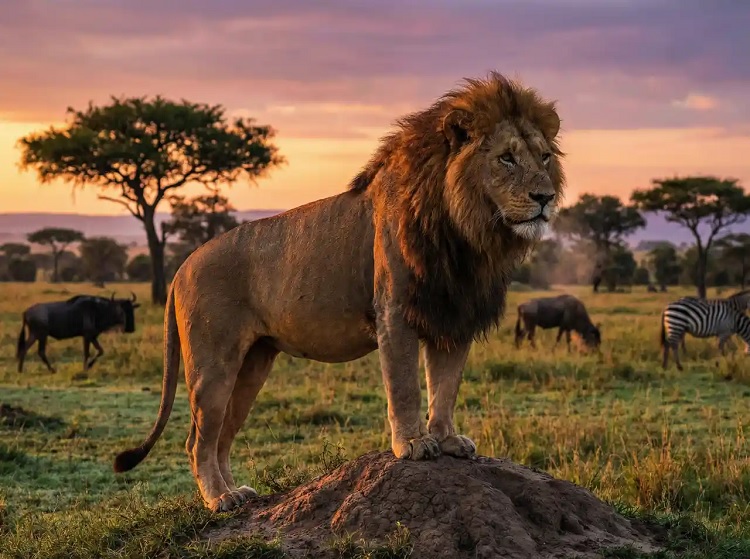
Social Media and the Spread of Fake Wildlife Images
Social media platforms amplify the impact of Fake wildlife images. Viral content spreads quickly, often without verification.
Users tend to share shocking or emotional content. As a result, dramatic wildlife videos gain more attention than factual information.
Moreover, algorithms prioritize engagement over accuracy. Therefore, misleading content often reaches millions of viewers.
Because of this, fake wildlife content becomes difficult to control once it spreads online.
Fake Wildlife Images and the Exotic Pet Trade
Another hidden danger of Fake wildlife images is their influence on the exotic pet trade.
Some videos show wild animals behaving like friendly pets. Therefore, viewers may assume these animals are safe to keep at home.
However, this perception is dangerous. Wild animals require specific environments and can pose serious risks.
Experts warn that such content may “normalize the exotic pet trade,” which already threatens many species.
Real-World Consequences of Fake Wildlife Images
The effects of Fake wildlife images extend beyond online platforms. They have real-world consequences for both humans and animals.
First, they increase fear and misunderstanding. Second, they lead to unnecessary conflict with wildlife. Third, they divert attention from real conservation issues.
Additionally, conservation groups must spend time debunking false claims. As a result, fewer resources remain for protecting endangered species.
How to Identify Fake Wildlife Images
To reduce the impact of Fake wildlife images, people must learn to identify misinformation.
Check the Source
Always verify the origin of the content. Reliable sources provide accurate information.
Look for Unusual Details
Fake images often show unrealistic behavior or impossible scenarios.
Cross-Verify Information
Search for the same story on trusted news platforms.
Be Skeptical of Viral Content
If something seems too dramatic, it may not be real.
Because awareness is key, education can help reduce misinformation.
Protecting Conservation Efforts from Misinformation
Conservation depends on public support and accurate knowledge. Therefore, reducing the spread of Fake wildlife images is essential.
Organizations must invest in public awareness campaigns. They should also collaborate with social media platforms to flag misleading content.
Moreover, improving digital literacy can help people distinguish between real and fake information.
Experts emphasize that conservation relies on “a shared understanding of reality.”
The Future of Wildlife Conservation in the Digital Age
The digital age brings both opportunities and challenges. While technology can support conservation, it can also create misinformation.
The rise of Fake wildlife images highlights the need for responsible content sharing. As technology advances, distinguishing truth from fiction will become more important.
However, with better awareness and education, people can make informed decisions. This will help protect both wildlife and conservation efforts.
The spread of Fake wildlife images is more than just an online issue. It affects how people think, behave, and interact with nature.
Although these images may seem harmless, they can cause real damage to conservation efforts. Therefore, it is important to question what we see and share.
By promoting accurate information and responsible media use, we can support wildlife protection. Ultimately, truth plays a crucial role in preserving the natural world.