
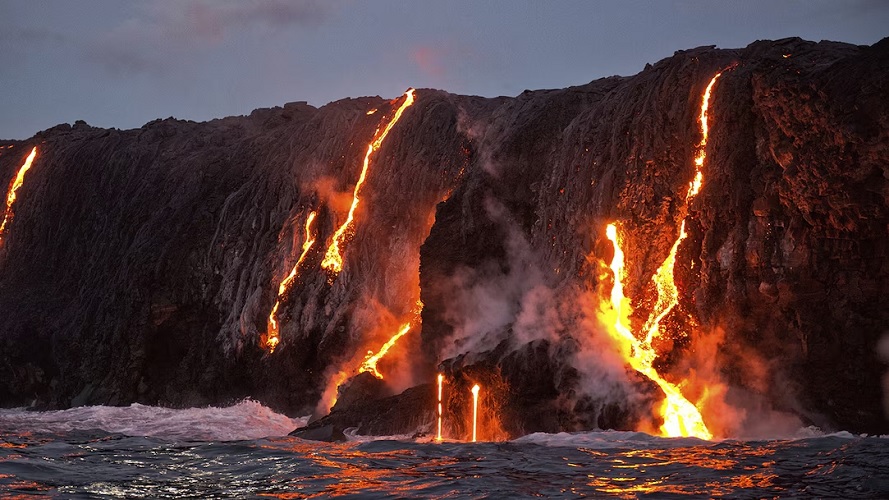
Travelers around the world are fascinated by volcanic landscapes. Among the most active and accessible volcanoes, Kilauea volcano eruption continues to draw global attention. Located on Hawaii’s Big Island, this volcano offers a rare chance to witness nature in its raw form. At the same time, it requires awareness, planning, and respect for safety.
Recent eruptions have produced dramatic lava fountains and ashfall, sometimes leading to temporary park closures and travel disruptions.
Therefore, understanding how to visit safely is essential before planning your trip.
Understanding Kilauea Volcano Eruption Activity
The Kilauea volcano eruption is known for its frequent and ongoing activity. Since late 2024, the volcano has experienced multiple eruption episodes, many of which occur inside the summit crater.
Unlike explosive volcanoes, Kilauea often produces slow-moving lava flows. Because of this, it allows controlled viewing opportunities for visitors. However, conditions can change quickly, so monitoring updates is important.
Additionally, eruptions sometimes release ash, gas, and volcanic debris. These elements can affect air quality and nearby areas.
Best Places to See Kilauea Volcano Eruption
Visitors can safely experience the Kilauea volcano eruption from designated viewpoints. Most viewing areas are located inside Hawaii Volcanoes National Park.
Popular Viewing Spots:
- Crater Rim Trail overlooks
- Kīlauea Overlook
- Wahinekapu (Steaming Bluff)
- Keanakākoʻi viewpoint
These areas provide safe and clear views of lava activity when conditions allow.
Moreover, early morning or late-night visits often offer better visibility and fewer crowds.
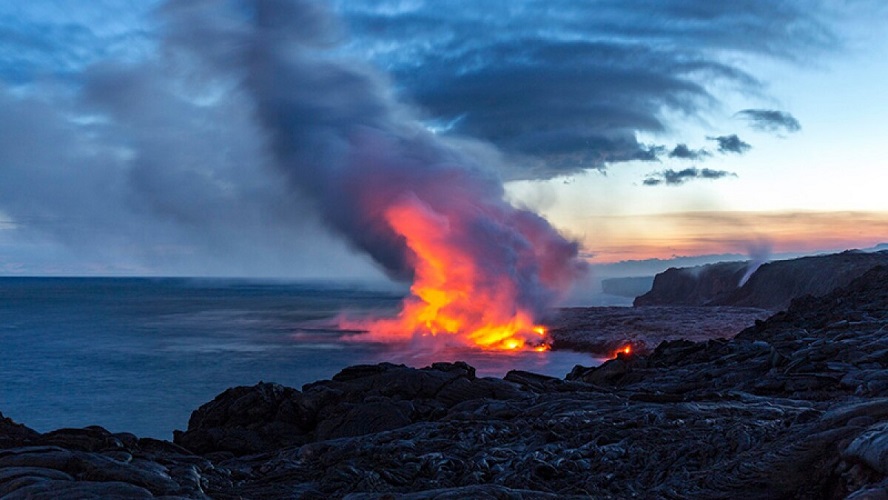
Kilauea Volcano Eruption Safety Guidelines
Safety is the most important factor when visiting an active volcano. Therefore, following official guidelines is essential during a Kilauea volcano eruption visit.
Key Safety Tips:
- Stay on marked trails and viewing areas
- Avoid restricted or closed zones
- Check air quality alerts before visiting
- Follow park ranger instructions
Entering restricted areas can lead to serious injury or even death.
Additionally, volcanic gases such as sulfur dioxide can be harmful, especially for children and people with respiratory issues.
Why Kilauea Volcano Eruption Attracts Tourists
The Kilauea volcano eruption offers a unique travel experience. Unlike many natural wonders, it is dynamic and constantly changing.
Visitors can witness glowing lava, volcanic steam, and dramatic landscapes. This creates a once-in-a-lifetime opportunity for travelers.
Moreover, the volcano is relatively accessible. Many viewpoints are close to parking areas, making it easier for visitors of all ages.
Because of these factors, volcano tourism continues to grow worldwide.
Risks of Visiting During Kilauea Volcano Eruption
Although the experience is exciting, the Kilauea volcano eruption also presents risks.
Common Hazards:
- Falling volcanic debris
- Toxic gas emissions
- Unstable ground and cracks
- Sudden eruptions or lava bursts
Recent events have shown that ashfall and debris can lead to road closures and evacuations.
Therefore, visitors must stay alert and prepared at all times.
How to Plan a Safe Volcano Trip
Planning ahead is crucial for a safe experience during a Kilauea volcano eruption.
1. Check Updates
Always review current eruption status before traveling. Conditions can change quickly.
2. Follow Park Rules
Respect all safety guidelines and closures within the park.
3. Dress Properly
Wear sturdy shoes and protective clothing. Volcanic terrain can be rough and sharp.
4. Carry Essentials
Bring water, a flashlight, and a mask for air protection.
Because preparation reduces risk, these steps are essential for every visitor.
Kilauea Volcano Eruption and Environmental Impact
The Kilauea volcano eruption plays a major role in shaping Hawaii’s landscape. Lava flows create new land and transform ecosystems.
However, eruptions also impact air quality and wildlife habitats. Ashfall can damage crops and affect nearby communities.
Despite these challenges, volcanic activity is a natural process that supports long-term environmental growth.
Is It Safe to Visit During an Eruption?
Many travelers wonder whether visiting during a Kilauea volcano eruption is safe. The answer depends on following safety guidelines.
In most cases, it is safe to visit designated areas within the national park. Lava flows usually move slowly, giving authorities time to manage risks.
However, visitors should avoid risky behavior, such as entering closed zones or ignoring warnings.
Kilauea Volcano Eruption Travel Tips for First-Time Visitors
First-time visitors should approach the Kilauea volcano eruption experience with caution and curiosity.
Helpful Tips:
- Visit early to avoid crowds
- Stay informed through official sources
- Consider guided tours for added safety
- Respect nature and local regulations
Because awareness improves safety, these tips help create a better travel experience.
The Future of Volcano Tourism
Volcano tourism continues to grow as travelers seek unique experiences. The Kilauea volcano eruption remains one of the most popular natural attractions in the world.
However, responsible tourism is essential. Visitors must balance curiosity with respect for nature and safety.
Technology now helps track volcanic activity in real time. As a result, travelers can plan better and stay informed.
The Kilauea volcano eruption offers a powerful and unforgettable travel experience. It showcases the beauty and force of nature in a way few places can match.
At the same time, it reminds us of nature’s unpredictability. Therefore, safety should always come first.
By following guidelines, staying informed, and respecting the environment, visitors can safely enjoy one of the world’s most incredible natural phenomena.