
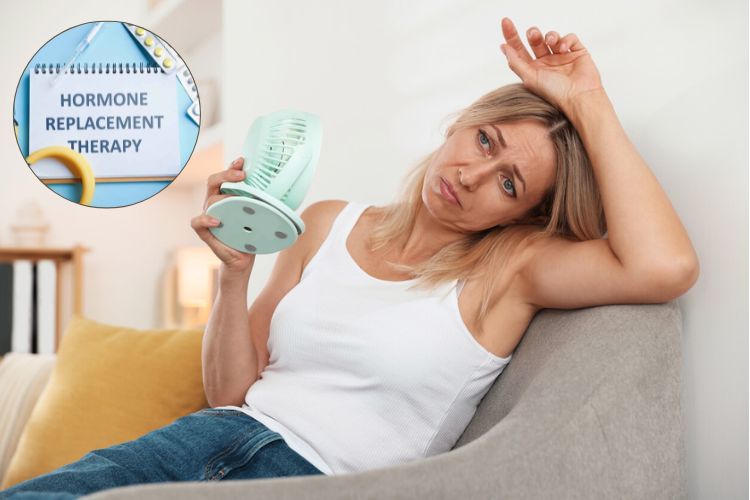
Menopause brings many physical and emotional changes for women. One of the most common symptoms is sudden heat waves known as hot flushes. These episodes can disrupt sleep, affect mood, and reduce quality of life. In recent news, a major breakthrough in women’s healthcare has emerged. A new alternative to HRT is now available on the UK’s National Health Service (NHS) to treat menopausal hot flushes.
Hormone replacement therapy has long been the main treatment for menopause symptoms. However, not every woman can use it safely. Medical experts now highlight a new non-hormonal medication that offers relief for many patients who cannot take hormone therapy. The development marks an important step in improving menopause care and expanding treatment choices.
Understanding Menopause and Hot Flushes
Menopause is a natural stage in a woman’s life when menstrual cycles stop permanently. It usually occurs between the ages of 45 and 55. During this phase, the body produces lower levels of hormones such as estrogen.
These hormonal changes can trigger several symptoms, including:
- Hot flushes
- Night sweats
- Sleep disturbances
- Mood swings
- Reduced concentration
Hot flushes remain the most widely reported symptom. Many women describe them as sudden waves of heat spreading across the body. They may also cause sweating, flushing of the skin, and a rapid heartbeat.
Medical studies estimate that around 70–75% of women experience hot flushes during menopause. For some women, the symptoms last several years and significantly affect daily life.
Why Many Women Need an Alternative to HRT
Hormone replacement therapy replaces declining estrogen levels to reduce menopause symptoms. It works effectively for many women. However, hormone therapy is not suitable for everyone.
Some women cannot use HRT due to medical conditions such as:
- Breast or ovarian cancer
- Blood clot disorders
- Certain heart conditions
- Untreated high blood pressure
Because of these risks, doctors often search for another alternative to HRT that can safely control hot flushes without altering hormone levels.
For decades, treatment options were limited for women who could not take hormone therapy. The arrival of a new non-hormonal medication now offers a promising solution for this unmet need.
The New Non-Hormonal Treatment on the NHS
Health authorities in the UK have approved a new drug called fezolinetant to treat menopause-related hot flushes. The medication is marketed under the brand name Veoza.
The National Institute for Health and Care Excellence (NICE) recommended the drug for NHS use when hormone therapy is not appropriate. Health experts estimate that around 500,000 women in England could benefit from the treatment.
Unlike hormone replacement therapy, fezolinetant does not introduce hormones into the body. Instead, it works by targeting nerve signals in the brain that trigger hot flushes and night sweats.
This innovation gives doctors a safe alternative to HRT for patients who cannot or prefer not to take hormone treatments.

How the New Medication Works
Hot flushes occur when hormonal changes affect the body’s temperature control system in the brain. The hypothalamus, which regulates body temperature, becomes more sensitive as estrogen levels drop.
The new drug blocks a specific brain receptor called the neurokinin-3 receptor. By blocking this signal, the medication helps regulate body temperature and reduce hot flush episodes.
Clinical trials have shown promising results. Many patients experienced fewer and less intense hot flushes within weeks of treatment.
Doctors report that symptoms such as night sweats and sleep disruption also improved during treatment.
Benefits of a Non-Hormonal Treatment
The approval of this medication provides several advantages for women experiencing menopause.
1. Safe for Women Who Cannot Use Hormones
Women with certain health conditions can now access an effective alternative to HRT without increasing medical risks.
2. Targeted Symptom Relief
The medication directly targets the nerve signals responsible for hot flushes.
3. Improved Quality of Life
Patients often report better sleep and fewer interruptions during the night.
4. Simple Daily Treatment
The drug is taken as a once-daily tablet, making it easy to follow.
Healthcare experts believe this treatment will transform menopause care for many women who previously had limited options.
Impact on Women’s Health Services
The introduction of this medication reflects growing awareness about menopause and its impact on everyday life. Health authorities recognize that menopause symptoms can affect work, relationships, and emotional wellbeing.
Experts say the availability of a reliable alternative to HRT can significantly improve patient support within public healthcare systems.
For decades, menopause care received less attention compared to other health conditions. Recent medical developments now highlight the importance of providing better treatment options.
Doctors also encourage women to speak openly about menopause symptoms so they can receive appropriate medical advice.
Other Ways to Manage Menopause Symptoms
Medication is not the only solution for menopause symptoms. Lifestyle changes can also help reduce hot flushes and improve overall wellbeing.
Doctors recommend the following approaches:
Regular Physical Activity
Exercise improves circulation and helps regulate body temperature.
Balanced Nutrition
A healthy diet rich in fruits, vegetables, and whole grains supports hormonal balance.
Stress Management
Relaxation techniques such as yoga or meditation can reduce anxiety and mood changes.
Sleep Hygiene
Maintaining a consistent sleep routine helps manage night sweats.
These methods can complement medical treatment and improve overall health during menopause.
Who Can Benefit From the New Treatment?
The new medication is designed mainly for women with moderate to severe hot flushes who cannot take hormone therapy.
Doctors may recommend the drug after assessing a patient’s medical history and symptoms. Regular monitoring may also be required to ensure the treatment remains safe and effective.
Healthcare providers emphasize that menopause treatment should always be personalized. Every woman experiences symptoms differently, so doctors often tailor treatment plans to individual needs.
Growing Awareness of Menopause
Public awareness about menopause has increased significantly in recent years. Governments, healthcare organizations, and advocacy groups now focus more on women’s health education.
Campaigns such as World Menopause Day aim to encourage open discussions about symptoms and treatments.
Medical experts believe that greater awareness can help women seek medical advice earlier and access effective care.
The availability of a reliable alternative to HRT also supports this shift toward better menopause management.
The Future of Menopause Treatment
Medical research continues to explore new treatments for menopause symptoms. Scientists are studying additional non-hormonal therapies that target different biological pathways.
These innovations could lead to more personalized and effective treatment options in the future.
Healthcare experts expect continued progress in menopause care as awareness grows and research investment increases.
The introduction of a new non-hormonal medication marks an important milestone in women’s healthcare. For many years, hormone replacement therapy remained the primary treatment for menopause symptoms.
Now, a proven alternative to HRT offers relief for women who cannot safely use hormone therapy. By targeting the brain signals responsible for hot flushes, the treatment provides effective symptom control without altering hormone levels.
This advancement highlights the growing focus on menopause care and the need for diverse treatment options. As research continues, more solutions may emerge to help women navigate this stage of life with greater comfort and confidence.
The future of menopause treatment looks promising, with improved awareness, better medical options, and stronger support for women’s health worldwide.